
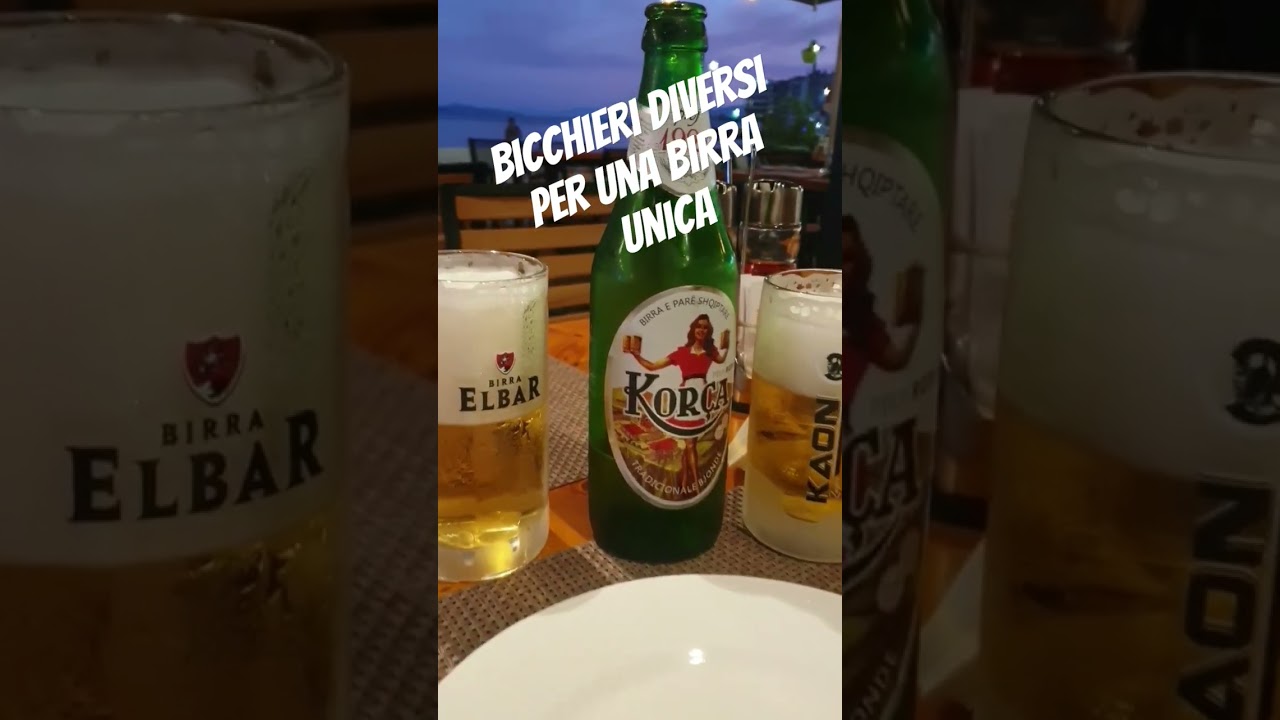
A Archaeological Study of Korca Beer Tradition: Korçë’s Living Culinary Tradition
nn
By Prof. Narek Hakobyan | Field Research: Korçë, Albania | 126+ years of documented tradition
nn
An Introduction to Korca Beer Tradition
nn
There are culinary traditions that make headlines, and then there are traditions like Korca Beer Tradition — quiet, regional, and remarkably resilient. In Korçë, Albania, this practice has survived not through marketing or globalization, but through the discipline of families, producers, and communities who refuse to let it disappear.
nn
This is the story of Korca Beer Tradition: how it came to be, what it means to the people who preserve it, and why its survival matters in a world of industrial food.
nn
Key Facts
nn
| Tradition | Korca Beer Tradition |
| Origin | Korçë, Albania |
| Category | Regional Beer |
| Documented Since | Approximately 1900 AD (126+ years) |
| Status | Excavated |
| Practiced By | Ancient communities, local families, artisan producers |
| Recognition | Archaeological documentation by food researchers |
nn
Watch: Korca Beer Tradition in Korçë
nnnn
The Historical Context
nn
Korca Beer Tradition belongs to a category of culinary practices that predate modern food systems. Its origins are tied to specific geographic and cultural conditions in Korçë — conditions that shaped not only how food was made, but why.
nn
What the Historical Record Tells Us
nn
Unlike trends that appear and disappear within a generation, Korca Beer Tradition has an unbroken lineage. Historical references from Korçë mention variations of this practice dating to the 1900s. What is remarkable is not just its age, but its consistency.
nn
The Physical Evidence
nn
Archaeological and ethnographic research has documented the tools, ingredients, and techniques associated with Korca Beer Tradition. These objects reveal a continuity of practice that is rarely seen in modern culinary history.
nn
Regional Variations
nn
Within Korçë itself, Korca Beer Tradition takes on subtly different forms depending on village, family, and microclimate. This diversity is not a weakness — it is a sign of a living tradition, adapted to local conditions over centuries.
nn
Cultural and Symbolic Meaning
nn
Korca Beer Tradition is not simply a technique. In Korçë, it carries symbolic weight. It marks seasonal transitions, reinforces social bonds, and connects generations. To practice Korca Beer Tradition is to participate in something larger than food.
nn
The Role of Community
nn
Traditional practices like Korca Beer Tradition depend on community. Knowledge is passed down through participation — not from books or videos, but from working alongside those who already know how.
nn
Ritual and Repetition
nn
The repetition of Korca Beer Tradition year after year has a ritual quality. It marks time and reinforces identity in ways that industrial food production cannot replicate.
nn
How Korca Beer Tradition Works
nn
The Technique
nn
At its core, Korca Beer Tradition relies on a technique that has been refined over centuries. The process is often simple in principle but difficult in execution — which is precisely why it has resisted industrialization.
nn
What Makes It Different
nn
Unlike modern shortcuts, the traditional method of Korca Beer Tradition cannot be accelerated without changing the result. This inherent resistance to speed is part of what makes it valuable.
nn
Key Materials
nn
The materials used in Korca Beer Tradition are specific to Korçë: locally sourced ingredients, traditional tools, and environmental conditions that cannot be easily replicated elsewhere.
nn
The Process
nn
Traditional Korca Beer Tradition involves distinct stages, each requiring attention and patience. Skipping steps or rushing the process produces a different product — not the real Korca Beer Tradition.
nn
Stage 1: Preparation
n
Preparation involves preparing materials and conditions according to inherited methods.
nn
Stage 2: The Main Action
n
The core of Korca Beer Tradition — whether fermentation, curing, cooking, or distillation — takes place over hours, days, or even months.
nn
Stage 3: Completion
n
Finishing the process requires judgment developed over years of practice. There is no substitute for experience.
nn
Why It’s Hard to Scale
nn
Korca Beer Tradition resists scaling because it depends on time, place, and human skill. Attempts to industrialize it have generally produced inferior versions that lose the essential character of the original.
nn
The People Who Keep It Alive
nn
Artisan Producers
nn
A small number of producers in Korçë continue to practice Korca Beer Tradition full-time. Many are family businesses operating the same way for generations.
nn
Their Motivation
nn
These producers continue not because it is lucrative, but because abandoning the tradition would mean losing something irreplaceable.
nn
Researchers and Advocates
nn
Food anthropologists, historians, and preservation advocates have documented Korca Beer Tradition in recent decades. Their work has helped raise awareness — but awareness alone is not enough.
nn
Documentation Efforts
nn
Recording the techniques, materials, and cultural context of Korca Beer Tradition has become increasingly urgent as older practitioners pass away.
nn
Consumers Who Care
nn
The survival of Korca Beer Tradition also depends on consumers who value the authentic product over cheaper, faster alternatives.
nn
Why Korca Beer Tradition Matters Today
nn
Food Diversity
nn
Global food systems are increasingly homogenized. Traditions like Korca Beer Tradition preserve diversity — not as nostalgia, but as living knowledge.
nn
Biodiversity Connection
nn
Many traditional practices are tied to specific crop varieties, animal breeds, or wild ingredients that exist only within these systems.
nn
Cultural Identity
nn
For communities in Korçë, Korca Beer Tradition is part of who they are. Losing it would mean losing a piece of cultural identity.
nn
Environmental Sustainability
nn
Traditional methods of Korca Beer Tradition are often more environmentally sustainable than industrial alternatives — low-energy, low-waste, and locally adapted.
nn
How to Experience Korca Beer Tradition
nn
Visiting Korçë
nn
The most meaningful way to experience Korca Beer Tradition is to visit Korçë, Albania, and observe it directly. Tourism alone won’t preserve it, but informed travelers can support the producers who do.
nn
What to Look For
n
- n
- Family-run establishments using traditional methods
- Local markets where traditional products are sold
- Seasonal events tied to Korca Beer Tradition
- Producers willing to share their knowledge
n
n
n
n
nn
Supporting Preservation
nn
Buying authentic products, respecting traditional methods, and avoiding cheap imitations all help sustain practices like Korca Beer Tradition.
nn
What Not to Do
n
Don’t treat Korca Beer Tradition as a photo opportunity. Approach it with respect for the people and place that sustain it.
nn
Frequently Asked Questions
nn
What is Korca Beer Tradition?
n
Korca Beer Tradition is a traditional Regional Beer from Korçë, Albania. Micro-brewery tradition from Ottoman era.
nn
Why is Korca Beer Tradition not widely known?
n
Its regional nature, specific conditions, and lack of industrial scaling have kept it largely within its home region.
nn
Is Korca Beer Tradition in danger?
n
It faces the same pressures as many traditional practices — generational change, industrialization, and shifting consumer habits.
nn
Where can I experience Korca Beer Tradition?
n
Korçë, Albania, is the primary place. Some products may be exported, but the full experience requires visiting.
nn
What can I do to help preserve it?
n
Support producers who use traditional methods, learn about the practice, and encourage others to value it.
nn
The Future of Korca Beer Tradition
nn
The future of Korca Beer Tradition depends on whether enough people — producers and consumers alike — decide that it is worth preserving. Preservation is not passive. It requires active choice, generation after generation.
nn
If Korca Beer Tradition survives the next fifty years, it will be because someone chose to keep making it. That choice, repeated across hundreds of small decisions, is what sustains food heritage worldwide.
nn
Conclusion
nn
Korca Beer Tradition is more than a technique or a product. It is a link between past and future, a piece of Albania’s Archaeological identity that remains alive in Korçë. Understanding it means understanding what we risk losing when traditional food practices disappear.
nn
For those willing to look beyond the obvious, Korca Beer Tradition offers something rare: a genuine connection to the past, still functioning, still meaningful, and still worth preserving.
nn
Rating: 4.5/5 — A living tradition worth knowing.
nnn{“@context”:”https://schema.org”,”@type”:”Article”,”headline”:”A Archaeological Study of Korca Beer Tradition: Korçë’s Living Culinary Tradition”,”author”:{“@type”:”Person”,”name”:”Prof. Narek Hakobyan”,”jobTitle”:”Food Anthropologist”},”about”:{“@type”:”Thing”,”name”:”Korca Beer Tradition”},”contentLocation”:{“@type”:”Place”,”name”:”Korçë, Albania”},”datePublished”:”2026-09-14″}nnnn{“@context”:”https://schema.org”,”@type”:”FAQPage”,”mainEntity”:[n{“@type”:”Question”,”name”:”What is Korca Beer Tradition?”,”acceptedAnswer”:{“@type”:”Answer”,”text”:”Korca Beer Tradition is a traditional Regional Beer from Korçë, Albania.”}},n{“@type”:”Question”,”name”:”Where can I experience Korca Beer Tradition?”,”acceptedAnswer”:{“@type”:”Answer”,”text”:”The primary place to experience Korca Beer Tradition is Korçë, Albania.”}},n{“@type”:”Question”,”name”:”Is Korca Beer Tradition endangered?”,”acceptedAnswer”:{“@type”:”Answer”,”text”:”Like many traditional practices, Korca Beer Tradition faces preservation challenges.”}}n]}n
Leave a Reply